
The introduction of the Flame Leviathan encounter in Ulduar during the Wrath of the Lich King expansion marked a significant evolution in raid design within World of Warcraft. This encounter not only challenged players with its unique mechanics but also introduced a groundbreaking vehicle scaling system that fundamentally altered how raids were approached. Understanding the implications of this design choice is crucial for both players and developers, as it set a precedent for future encounters and influenced the overall gameplay experience.
What is the significance of vehicle scaling in the Flame Leviathan encounter?
The vehicle scaling system in the Flame Leviathan encounter allowed for dynamic raid mechanics that enhanced player engagement and difficulty.
The Flame Leviathan encounter was revolutionary as it required players to operate vehicles instead of traditional characters, introducing a new layer of complexity to raid mechanics. This shift not only diversified gameplay but also necessitated a complete rethinking of how encounters were designed, as players had to adapt to vehicle controls, abilities, and strategies. The scaling of vehicles based on the number of players in the raid ensured that the encounter remained challenging regardless of group size, making it accessible yet difficult for both casual and hardcore players. This design choice emphasized teamwork and coordination, as players had to work together to manage their vehicles effectively while dealing damage and avoiding environmental hazards.
- Vehicle mechanics required players to learn new abilities and strategies.
- Scaling ensured encounters remained challenging for varying raid sizes.
- Encouraged teamwork and coordination among players.
- Introduced a fresh gameplay experience that differed from traditional encounters.

How did the mechanics of vehicle scaling work in Ulduar?
The mechanics of vehicle scaling in Ulduar involved adjusting vehicle stats and abilities based on the number of players participating in the encounter.
The vehicle scaling system operated by modifying the health, damage output, and abilities of the Flame Leviathan based on the number of players in the raid. For example, if a raid group consisted of ten players, the vehicle’s health and damage would be adjusted to ensure that the encounter remained appropriately challenging. This dynamic scaling meant that encounters could be fine-tuned to provide a balanced experience, allowing for a variety of group compositions and player skill levels. Additionally, the vehicles themselves had unique abilities that could be enhanced or diminished based on the scaling, further complicating the strategy required to defeat the encounter.
Moreover, the scaling mechanics were designed to encourage players to utilize their vehicles effectively, as each vehicle type had distinct roles, such as damage dealing or support. Players needed to understand the strengths and weaknesses of their chosen vehicle, which added a layer of strategy to the encounter. For instance, the Demolisher was effective at dealing damage from a distance, while the Siege Engine could absorb damage and provide support to allies. This differentiation in vehicle roles required players to communicate and coordinate their actions, making the encounter not just a test of individual skill but also of group synergy.

What are the practical steps to succeed in the Flame Leviathan encounter?
To succeed in the Flame Leviathan encounter, players must understand vehicle mechanics, coordinate effectively, and adapt strategies based on group composition.
Success in the Flame Leviathan encounter hinges on a few key practical steps. First, players should familiarize themselves with the different vehicle types and their respective abilities. Understanding the role of each vehicle will allow players to maximize their effectiveness during the encounter. Second, effective communication is crucial; players should establish clear roles and responsibilities before engaging the boss to ensure that everyone knows their tasks. This includes designating drivers, gunners, and support roles to optimize damage output and survivability.
Additionally, players should practice positioning and movement strategies to avoid environmental hazards, such as the Flame Leviathan’s powerful attacks and the destructible terrain. Utilizing the vehicles’ unique abilities in tandem can create powerful synergies, such as using the Siege Engine to absorb damage while the Demolishers deal damage from a distance. Finally, players should be prepared to adapt their strategies based on the scaling of the encounter, as the number of participants can significantly impact the difficulty and required tactics.
What are the key vehicle types and their roles in the Flame Leviathan encounter?
The key vehicle types in the Flame Leviathan encounter include the Demolisher, Siege Engine, and Chopper, each serving distinct roles.
This table outlines the primary vehicle types available during the Flame Leviathan encounter, detailing their roles, strengths, and weaknesses. Understanding these vehicles is essential for maximizing effectiveness during the fight.
| Vehicle Type | Role | Strengths | Weaknesses |
|---|---|---|---|
| Demolisher | Damage Dealer | High damage output, long-range attacks | Low mobility, vulnerable to direct attacks |
| Siege Engine | Tank/Support | High durability, can absorb damage | Moderate damage output, slower speed |
| Chopper | Mobility/Support | Fast movement, can assist allies | Lower damage output, less durable |
How do environmental factors impact the Flame Leviathan encounter?
Environmental factors such as terrain and obstacles play a crucial role in the strategy for defeating the Flame Leviathan.
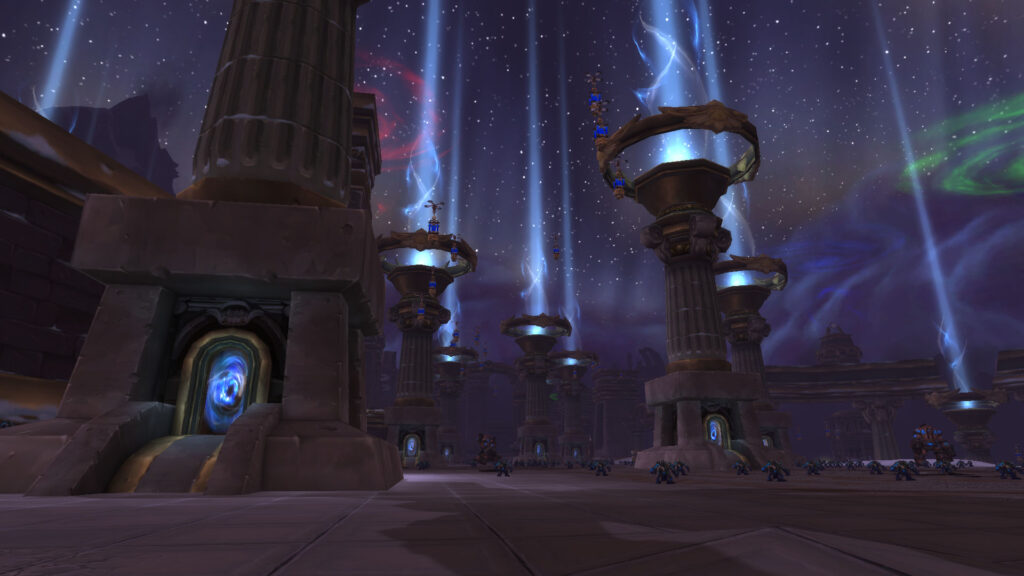
The environment in which the Flame Leviathan encounter takes place is filled with obstacles and hazards that can significantly impact the outcome of the fight. Players must navigate around destructible terrain while avoiding the boss’s powerful attacks. Understanding the layout of the battlefield is essential, as certain areas may provide cover or strategic advantages. For instance, players can use the terrain to block incoming fire or to funnel the boss’s attacks into more manageable patterns.
Additionally, players should be aware of environmental hazards that can affect vehicle performance, such as fire patches or debris that can impede movement. Effective resource allocation is crucial; players must manage their vehicle’s health and abilities while also considering the environmental context. Utilizing the terrain to create advantageous positions can turn the tide of battle, allowing players to maximize their damage output while minimizing risk. Overall, the interplay between vehicle mechanics and environmental factors creates a dynamic and engaging encounter that requires strategic thinking and adaptability.
What metrics should players track to optimize performance in the Flame Leviathan encounter?
Players should track damage output, vehicle health, and ability cooldowns to optimize performance in the Flame Leviathan encounter.
To ensure optimal performance during the Flame Leviathan encounter, players should focus on several key metrics. First, tracking damage output is essential; players can use damage meters to analyze their performance and identify areas for improvement. Understanding how much damage each vehicle type contributes can help players adjust their strategies and roles accordingly. Second, monitoring vehicle health is crucial, as maintaining survivability is key to success. Players should communicate effectively to manage health levels and coordinate healing or defensive abilities when necessary.
Lastly, players should keep an eye on ability cooldowns to maximize their effectiveness during the encounter. Knowing when to use powerful abilities can make a significant difference in damage output and survivability. By tracking these metrics, players can refine their strategies and improve their overall performance, leading to a more successful and efficient raid experience.
What expert tips can enhance success in the Flame Leviathan encounter?
Expert tips for succeeding in the Flame Leviathan encounter include mastering vehicle controls, effective communication, and strategic positioning.
To enhance success in the Flame Leviathan encounter, players should focus on mastering vehicle controls and understanding the nuances of each vehicle type. Familiarity with vehicle abilities and cooldowns allows players to respond effectively to changing circumstances during the fight. Additionally, establishing clear communication channels within the raid group is vital; players should discuss strategies and roles before the encounter to ensure everyone is on the same page. This proactive approach can significantly reduce confusion and improve coordination during the fight.
Furthermore, players should prioritize strategic positioning to maximize their effectiveness. Utilizing the terrain to create advantageous angles for attacks can enhance damage output while minimizing risk. Players should also be prepared to adapt their strategies based on the scaling of the encounter, as different group sizes may require different tactics. Finally, reviewing encounter mechanics and analyzing past attempts can provide valuable insights for improvement, allowing players to refine their approach and increase their chances of success.
Frequently Asked Questions
What makes the Flame Leviathan encounter unique compared to other raids?
The Flame Leviathan encounter is unique due to its vehicle-based mechanics, which require players to operate different vehicles with distinct abilities. This design choice introduces a new layer of complexity and strategy, setting it apart from traditional raid encounters that rely solely on character abilities.
How does vehicle scaling affect raid composition?
Vehicle scaling allows for flexible raid compositions, as the encounter adjusts its difficulty based on the number of players. This means that groups of varying sizes can engage in the encounter without being overly penalized or trivialized, promoting inclusivity and accessibility.
What strategies are effective for dealing with the Flame Leviathan’s attacks?
Effective strategies for dealing with the Flame Leviathan’s attacks include utilizing terrain for cover, coordinating vehicle abilities, and maintaining communication among players. Understanding the timing and patterns of the boss’s attacks can also help players avoid damage and optimize their performance.
Can the Flame Leviathan encounter be completed solo?
While it is technically possible to attempt the Flame Leviathan encounter solo, it is designed for a group of players. The scaling mechanics and required coordination make it significantly more challenging to complete without a team, as the encounter relies on teamwork and vehicle synergy.